
Credit Card
Credit cards offer different features and benefits to match various lifestyles and spending habits. With so many options available, choosing the right card can be challenging. A simple way to decide is to compare multiple cards online, check your eligibility instantly, and apply through a fast digital process. This helps you find a card that fits your needs without any hassle.
Things to Know Before Applying for a Credit Card
Choosing the right credit card requires careful evaluation of your spending habits, eligibility, and long-term financial goals. Here are some important points to consider before submitting your credit card application:
1. Pick a card that matches your lifestyle
Identify where you spend the most—travel, fuel, groceries, online shopping, dining, or entertainment. Select a credit card that offers maximum rewards, cashback, or benefits in your primary spending category.
2. Check your eligibility beforehand
Banks assess income, credit score, employment type, and existing loans before approving your card. Entry-level earners typically qualify for basic cards, while higher-income individuals can apply for premium or super-premium cards.
3. Understand the fee structure
Budget-friendly cards come with low joining and annual fees but offer limited benefits. Premium credit cards have higher charges but provide advantages such as lounge access, insurance cover, concierge services, and elevated reward rates. Choose based on your willingness to pay and the value you expect in return.
4. Evaluate rewards and benefits carefully
Review the card’s terms and conditions, including:
Rewards rate and capping
Redemption methods and value
Cashback conditions
Milestone benefits
Annual fee waiver criteria
Make sure the benefits you expect are realistically achievable through your usual spending pattern.
5. Avoid applying for too many cards at once
Submitting multiple credit card applications in a short period leads to hard inquiries, which can negatively affect your credit score. Apply only for cards where you have strong approval chances.
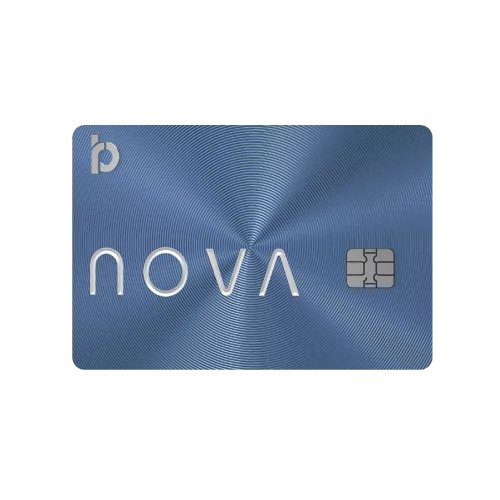
- Up to 6% value-back as reward points
- 10% off at fine-dining restaurants in India
- Upto 24 visits a year and 4 guest access
- Joining fee:₹12,500+ Taxes
- Annual/Renewal Fee:₹12,500+ Taxes
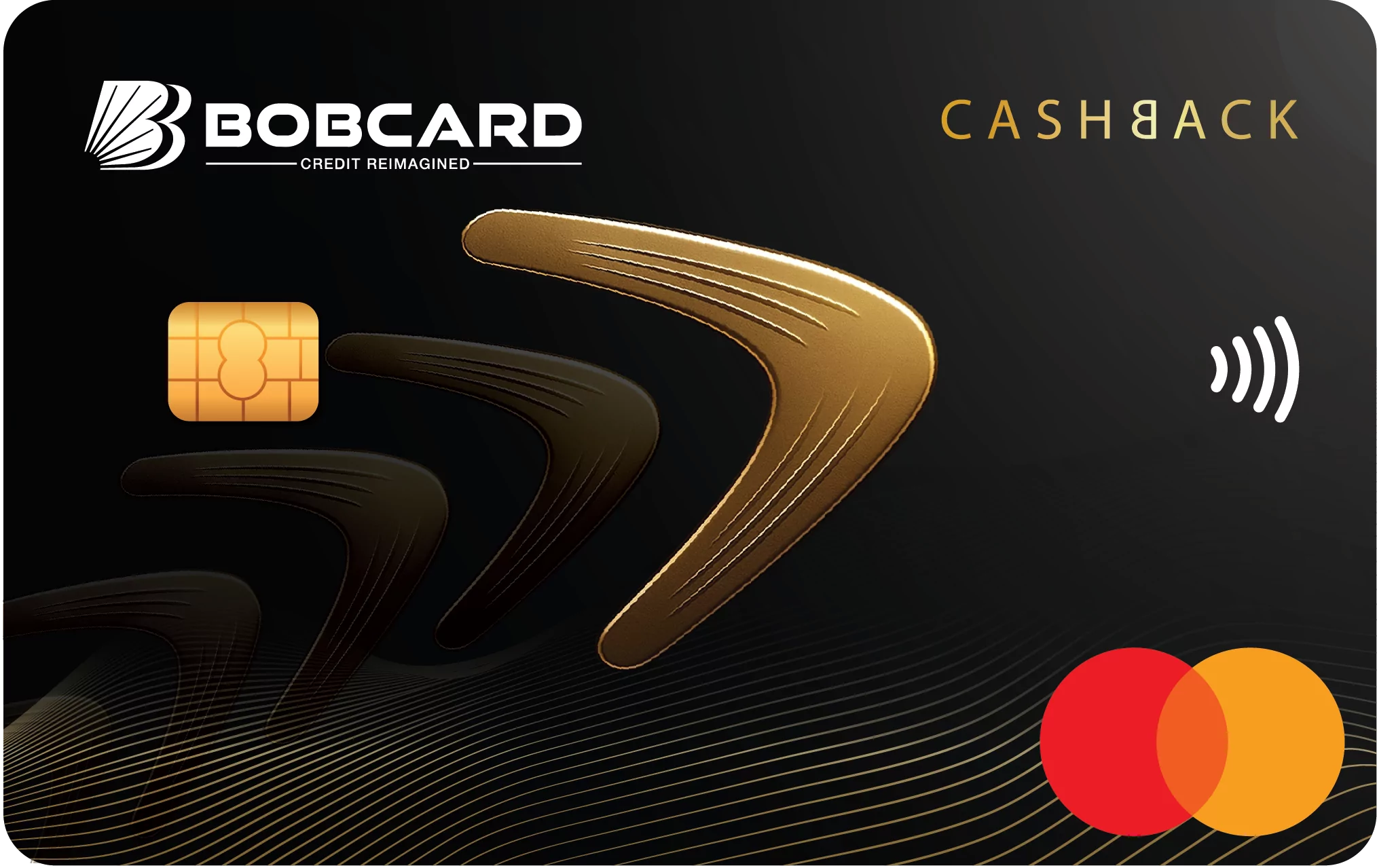
- Up to 5% savings on online purchases
- 1% surcharge waiver on fuel spends
- Unlimited 1% cashback on offline spends
- Joining fee:₹499+ Taxes
- Annual/Renewal Fee:₹499+ Taxes

- 2X rewards on LIC premium payments
- Up to 20% discount on dining bills
- 2X reward points international spends
- Joining fee:₹0+ Taxes
- Annual/Renewal Fee:₹0+ Taxes

- 2X rewards on LIC premium payments
- 8 domestic lounge visits every year
- 2X reward points international spends
- Joining fee:₹0+ Taxes
- Annual/Renewal Fee:₹0+ Taxes

- 5% cashback on travel spends
- 8 domestic lounge visits yearly
- Up to 10X points on online spends
- Joining fee:₹0+ Taxes
- Annual/Renewal Fee:₹0+ Taxes

- 2X reward points on all retail spends
- Discount offers on dining at restaurants
- No annual card fee is charged
- Joining fee:₹0+ Taxes
- Annual/Renewal Fee:₹0+ Taxes
5 Smart Tips to Manage Your Credit Card Effectively
Using a credit card wisely can help you save money, build a strong credit score, and enjoy valuable rewards. Here are five practical tips to help you manage your credit card efficiently and responsibly:
1. Pay Your Total Due Amount on Time
Always aim to pay your full outstanding balance before the due date. This helps you avoid interest charges, late fees, and negative impacts on your credit score.
If paying the total amount is difficult, pay more than the minimum due to reduce interest accumulation.
2. Convert High-Value Purchases into EMIs
For large expenses, consider using the EMI option offered by your bank. EMI conversions usually come with lower interest rates compared to regular revolving credit.
This makes big-ticket purchases easier to manage without straining your monthly budget.
3. Avoid Cash Withdrawals on Your Credit Card
Credit card cash advances attract high interest from day one, along with additional withdrawal fees.
Use this feature only in emergencies, and always prioritize ATM withdrawals using your debit card for lower or no charges.
4. Track Your Spending Regularly
Monitoring your spending helps you stay within your credit limit and maintain financial discipline.
Review SMS/email alerts, monthly statements, and your credit report to identify any incorrect charges or suspicious activity early.
5. Avoid Applying for Multiple Credit Cards at Once
Submitting several credit card applications in a short time results in multiple hard inquiries on your credit profile, which can reduce your credit score.
Apply only for cards that align with your spending behaviour and offer meaningful benefits.
Latest Updates on Credit Cards
RBL Bank Introduces Two Premium Metal Credit Cards: Lumière & Nova
20 November 2025
RBL Bank has expanded its premium portfolio with the launch of two metal credit cards—Lumière and Nova. Lumière is an invite-only, ultra-premium card carrying an annual fee of ₹50,000, offering luxury lifestyle and travel privileges for high-net-worth users. Nova, priced at ₹12,500 annually, provides benefits such as 6% value-back on flights and hotels, complimentary lounge access, golf privileges, and other lifestyle rewards.
Kotak Mahindra Bank Updates Credit Card T&Cs Effective 5 December 2025
6 November 2025
Kotak Mahindra Bank has issued revised terms and conditions for its credit card customers, applicable from 5 December 2025. Key updates include modifications to late payment charges, over-limit rules, and token management policies. The announcement also highlights new details related to the Kotak 811 Super Money Credit Card.
Scapia and Federal Bank Launch Add-On Credit Cards for Families
6 November 2025
Scapia, in collaboration with Federal Bank, has rolled out an add-on credit card option allowing families to share credit seamlessly. Each add-on member receives both a virtual and physical card, ensuring independent usage with transparent tracking. Up to three add-on cards can be issued, sharing the same credit limit and travel benefits as the primary card.
IndusInd Bank and CRED Launch Two Co-Branded Credit Cards
16 September 2025
IndusInd Bank and CRED have partnered to introduce two new co-branded credit cards.
CRED IndusInd Bank RuPay Credit Card – an entry-level option offering up to 5% rewards on online spends, including UPI payments.
Sovereign Credit Card – an invite-only premium card designed for high-net-worth individuals with exclusive lifestyle privileges.
Swiggy HDFC Bank Credit Card Adds Paytm Travel Discounts
29 August 2025
The Swiggy–HDFC Bank co-branded credit card now offers a 6% discount on domestic and international flight bookings and intercity bus tickets made through Paytm Travel. These upgrades are available for both existing and new cardholders.
Flipkart and SBI Card Introduce New Cashback Credit Card
29 August 2025
Flipkart and SBI Card have launched a co-branded credit card offering up to 7.5% cashback across popular brands. Benefits include:
5% cashback on Flipkart and Cleartrip
7.5% cashback on Myntra
4% cashback on partners like Zomato, PVR, Netmeds, and Uber
1% cashback on other eligible transactions
The card has a ₹500 joining fee, includes a ₹250 welcome gift card, and a limited-time bonus of up to ₹1,000 in vouchers.
HSBC Bank Launches ‘Travel with Points’ Rewards Platform
21 August 2025
HSBC Bank has introduced a travel-focused rewards marketplace where customers can redeem points directly for bookings. Users can earn up to:
12X rewards on hotel bookings
6X rewards on flight tickets
2X rewards on car rentals
Premium cards like HSBC Premier and HSBC Prive qualify for the highest reward rates, while other cards receive 6X or 4X depending on eligibility.
IDFC FIRST Bank and IndiGo Airlines Launch Co-Branded Dual Credit Card
4 August 2025
IndiGo Airlines has partnered with IDFC FIRST Bank to roll out the Indigo IDFC FIRST Dual Credit Card, available at an annual fee of ₹4,999. Cardholders receive two physical cards—one Mastercard and one RuPay—both sharing the same credit limit. Rewards are earned as IndiGo BluChips, redeemable for flight bookings. A secured version backed by a ₹1 lakh FD is also available for users building or repairing their credit profile.
PhonePe and SBI Card Launch Two New Co-Branded Credit Cards
22 July 2025
PhonePe and SBI Card have introduced two co-branded offerings:
PhonePe SBI Card PURPLE (base variant)
PhonePe SBI Card SELECT BLACK (premium variant)
Both cards offer strong rewards on utilities, recharges, bill payments, and other payments on the PhonePe app. They also provide accelerated earnings on broader online spends—ideal for users with high monthly utility expenses.
Credit Card vs. Debit Card
Credit and debit cards may look similar and sometimes offer similar benefits, but they function differently. Here’s a detailed comparison to help you understand the key differences:
| Feature | Credit Card | Debit Card |
|---|---|---|
| Function | A short-term loan extended by the card issuer that requires repayment | A means to spend money directly from your savings or current account |
| Spending Limit | Can spend within the pre-fixed credit limit | Can spend only up to the balance available in the account |
| Payment Method | Card issuer pays for your purchases, which you repay by the monthly due date | Amount is deducted directly from your bank account |
| Interest Charges | Interest charges apply in case of late or partial payments | No interest charges are applicable |
| Rewards & Benefits | Generally offers enhanced rewards, cashback, and other benefits (varies as per the card) | Usually offers basic rewards, cashback, and limited benefits |
| Credit Score Impact | Directly impacts your credit score | No direct impact on credit score |
Credit Card Fees and Charges
Credit card fees and charges differ depending on the type of card you use and the bank that issues it. Some costs, such as joining fees or annual maintenance fees, are mandatory to keep your card active. Other charges, like interest on outstanding balances, ATM cash withdrawal fees, and late payment penalties, depend entirely on how you use your credit card.
| Particular | Charges |
|---|---|
| Annual Fee | Varies from card to card |
| Finance Charges | 9% p.a. to 52.86% p.a. |
| Interest-free Period | Up to 50 days |
| Cash Advance Charges | 0% to 3.5% |
| Forex Markup Fee | 0% to 3.5% |
Credit Card Interest Rate
The interest rate on a credit card, often referred to as finance charges, is applied when you delay your payment or do not clear the full outstanding amount. Every credit card has its own interest structure, but the rate usually falls within a wide range, starting from around 9 percent per annum and going up to nearly 53 percent per annum, depending on the issuer and card category.
This charge is different from fixed fees like joining or annual charges. Interest is calculated based on usage and is applied only when your bill is not paid in full. Even if you pay just the minimum amount due, the remaining balance is carried forward to the next billing cycle, and interest continues to accumulate. In most cases, interest is imposed on both the unpaid amount and any new purchases made during the period, starting from the date of each transaction. Understanding this helps you manage your credit card responsibly and avoid unnecessary costs.
How to Choose the Right Credit Card?
Selecting the right credit card depends on your financial habits, spending pattern, and overall lifestyle. Since every card offers different features, it’s important to evaluate your needs carefully before applying. Here are a few practical steps to help you make an informed choice:
Identify your primary spending category
Credit cards are designed for different purposes such as travel, online shopping, fuel, dining, or cashback. Review your monthly spending habits to understand where most of your expenses go. For example, if you travel frequently, a travel-focused credit card with benefits like complimentary lounge access, reward points on flight bookings, and travel insurance will offer better value.
Shortlist cards based on your eligibility
Once you know your spending category, the next step is to shortlist cards that match your credit profile. Every credit card has certain eligibility criteria related to income, credit score, employment type, and age. Checking these requirements in advance increases your chances of approval and saves time.
Compare features and benefits
After narrowing down your options, compare the features, rewards, and benefits offered by each card. Look at reward point structure, cashback percentage, travel perks, fuel surcharge waivers, and milestone benefits. The right card should align with your lifestyle and help you save more on your regular expenses.
Review the terms and charges carefully
Before applying, go through the card’s fee structure and terms. This includes annual fees, joining fees, interest rates, cash withdrawal charges, late payment penalties, and foreign transaction fees. Understanding these details helps you decide whether the card is cost-effective for you in the long run and ensures there are no unexpected charges later.
Eligibility Criteria and Documents Required
The eligibility conditions for a credit card may vary from one issuer to another, but most banks follow a few standard requirements. Here are the basic criteria you should meet before applying:
Age: Applicants must be at least 18 years old.
Credit Score: A healthy credit score, ideally 700 or above, increases your chances of approval.
Employment Type: Both salaried and self-employed individuals can apply, provided they meet the bank’s income criteria.
To complete the verification process, you will need to provide valid documents that confirm your identity, income, and residence. Typically, the following documents are required:
Identity and signature proof
Address proof
Age proof
Income proof
Commonly accepted documents include PAN card, Aadhaar card, voter ID, passport, employee ID (for government employees), recent bank statements, salary slips, rental agreements, and utility bills. For self-employed applicants, income verification may require documents such as ITR filings, audited financial statements, or Form 16, depending on the issuing bank’s policy.
Note: The specific list of documents may differ for each credit card and issuer.
FAQs
What is a credit card?
A credit card is a financial tool that allows you to borrow money up to a pre-approved limit for making purchases, online transactions, or bill payments. It can be issued as a physical plastic card or a virtual card. The borrowed amount must be repaid on or before the due date, which generally falls 30 to 45 days after the billing cycle starts.
How does a credit card work?
When you use a credit card, the payment is made from the issuer’s funds, not directly from your bank account. The amount you spend is deducted from your assigned credit limit. At the end of each billing cycle, the bank generates a statement showing your total outstanding balance. You must pay this amount by the due date to avoid interest charges. Once the payment is made, your available credit limit is restored.
What are the benefits of having a credit card?
Credit cards offer several advantages such as increased purchasing power, emergency financial support, reward points, cashback, discounts, and lifestyle benefits like lounge access or travel perks. When used responsibly, they also help build or improve your credit score, opening the door to better loan opportunities in the future.
What are the eligibility criteria for credit cards?
Eligibility may vary by bank and card type. However, most issuers require applicants to be at least 18 years old, have a stable income, and possess a good credit history or credit score. Premium and high-end cards generally have stricter requirements compared to basic or entry-level cards.
What documents are required to apply for a credit card?
To apply for a credit card, you’ll need to submit valid proofs of age, identity, address, income, and signature. Commonly accepted documents include Aadhaar card, PAN card, recent bank statements, salary slips, passport, voter ID, and utility bills. Requirements for self-employed individuals may include ITR filings or audited financial statements.